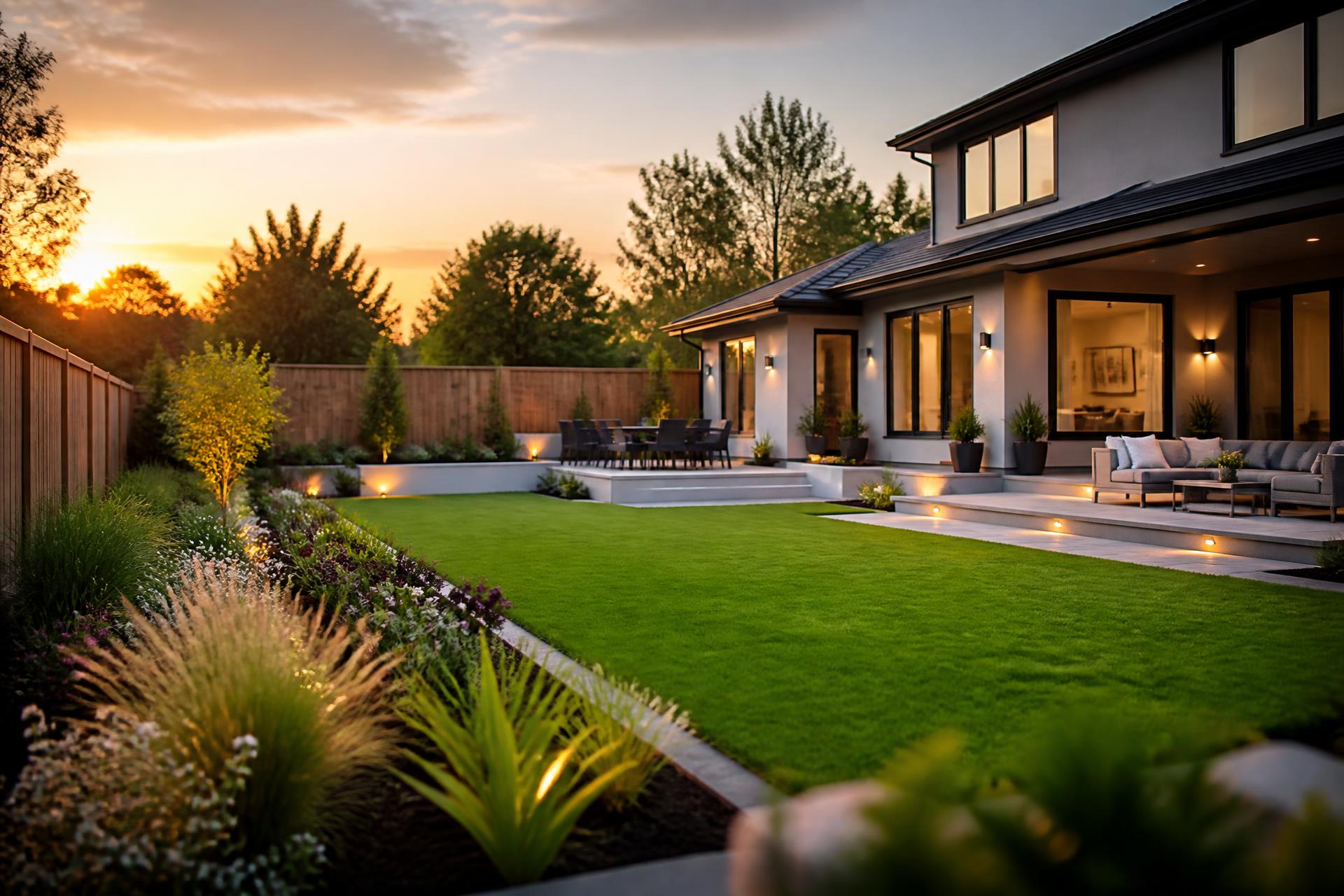
Garden design trends move slower than fashion, but there's a genuine shift happening in New Zealand towards gardens that work harder: lower water use, more natives, and outdoor spaces designed as extra rooms rather than just lawn and a few shrubs.
In Canterbury, these trends line up well with our climate reality. Long dry summers, water restrictions in Christchurch and Selwyn over peak months, and strong nor'west winds all push good design towards resilient, structured planting rather than thirsty, high-fuss gardens.
Native-led planting schemes
There's a clear move away from all-exotic gardens towards native-dominant planting, both for sustainability reasons and because natives simply cope better with our conditions once established. Species like corokia, pittosporum, griselinia, olearia and carex form the structural backbone of a lot of new designs we're seeing, mixed with harakeke (flax) for height and texture and hebe for reliable flowering colour.
This doesn't mean an all-native garden — most Canterbury designs still blend in hardy exotics for colour and seasonal interest, but the native content has grown because it reduces long-term water and maintenance needs. It also tends to suit the light and landscape character of the Canterbury Plains better than heavily exotic, cottage-style planting.
- Corokia and pittosporum for structure and wind tolerance
- Harakeke (flax) for height, texture and frost hardiness
- Carex and muehlenbeckia for ground cover and texture
- Hebe for low-maintenance flowering colour
Low-water, drought-tolerant gardens
With Christchurch and Selwyn both applying water restrictions in dry summers, designing a garden that doesn't rely on regular irrigation is no longer a fringe idea, it's mainstream. This means fewer thirsty lawns and more gravel gardens, mulched beds, and plant selections that can go weeks without supplemental water once their root systems are established.
Free-draining gravel or sandy soils common across parts of Selwyn actually suit this style well, since many drought-tolerant natives and Mediterranean exotics prefer sharp drainage anyway. On heavier clay sections closer to the city, raised beds or mounding can help replicate those conditions where a low-water garden is wanted.
Outdoor rooms and multi-use spaces
Rather than a single deck or patio, more Canterbury homeowners are designing distinct outdoor zones: a sheltered dining area near the house, a separate lawn or play zone for kids, and sometimes a fire pit or seating nook tucked away from the wind. This zoning approach makes better use of typical Selwyn subdivision sections, which are often generous in size but exposed to wind across open, flat land.
Windbreak planting has become a design tool in its own right here, not just a boundary afterthought. Layered hedging or mixed native screens positioned to cut the prevailing nor'wester can make an outdoor room usable on far more days of the year, which matters a lot given how strong and frequent that wind can be on the Plains.
Hard landscaping material shifts
Porcelain paving has grown in popularity for patios and outdoor living areas because it doesn't fade or stain the way some concrete pavers can, and it gives a cleaner, more contemporary look that pairs well with modern builds. Timber decking remains popular for its warmth and lower upfront cost, though most owners now go into it accepting the ongoing oiling and maintenance that comes with Canterbury's UV exposure and temperature swings.
For retaining walls, there's a steady trend towards mixed materials — timber sleepers for smaller garden terracing, and concrete block or engineered systems for larger structural walls, particularly on the sloped sections around the Port Hills where council consent and engineering are already part of the build for anything over 1.5 metres.
Considered lighting and evening use
As outdoor rooms become more common, so does simple, low-voltage garden lighting designed to extend evening use into the cooler months rather than lighting up the whole section. Path lighting, uplighting on feature planting, and softer ambient lighting near seating areas are common requests now, replacing the harder floodlight approach of a decade ago.
What this means for a Canterbury renovation
If you're planning a garden refresh rather than a full rebuild, the easiest way to bring these trends in is to swap out water-hungry or struggling exotics for hardy natives in the same beds, add mulch to reduce water loss, and think about whether your outdoor living area actually gets shelter from the nor'wester at the times of day you use it. Small, targeted changes like this can modernise a tired garden without the cost of starting from scratch.
Want this done for you?
Green Dreams Landscaping builds outdoor spaces across Christchurch, Selwyn and Canterbury. Free quotes, fully insured, 10+ years on the tools.